


RETAIL NOTES · 25 OCTOBER 2026
Private-label furniture enquiries: organise the buyer brief
Connect product choices, brand requirements and approval responsibilities in one practical document before requesting a quotation.
A private-label furniture enquiry usually involves more than selecting products. The buyer may also need branded labels, market-specific product information, packaging details and a clear approval process. Bringing these requirements into one brief helps the retailer, importer and manufacturer discuss the same scope from the beginning.
Define the collection and its customer
Start with the intended sales channel and buyer. A showroom collection, online range and hospitality supply programme may need different information and presentation. Explain the intended room, customer segment and approximate assortment size without turning the brief into a long marketing document.
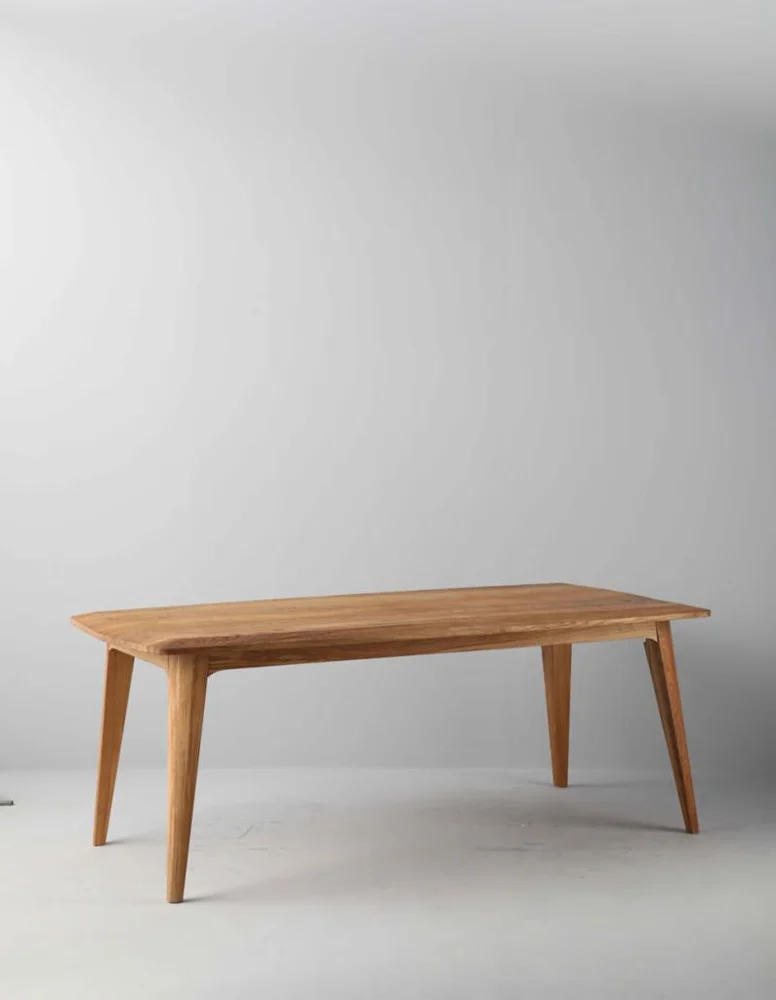
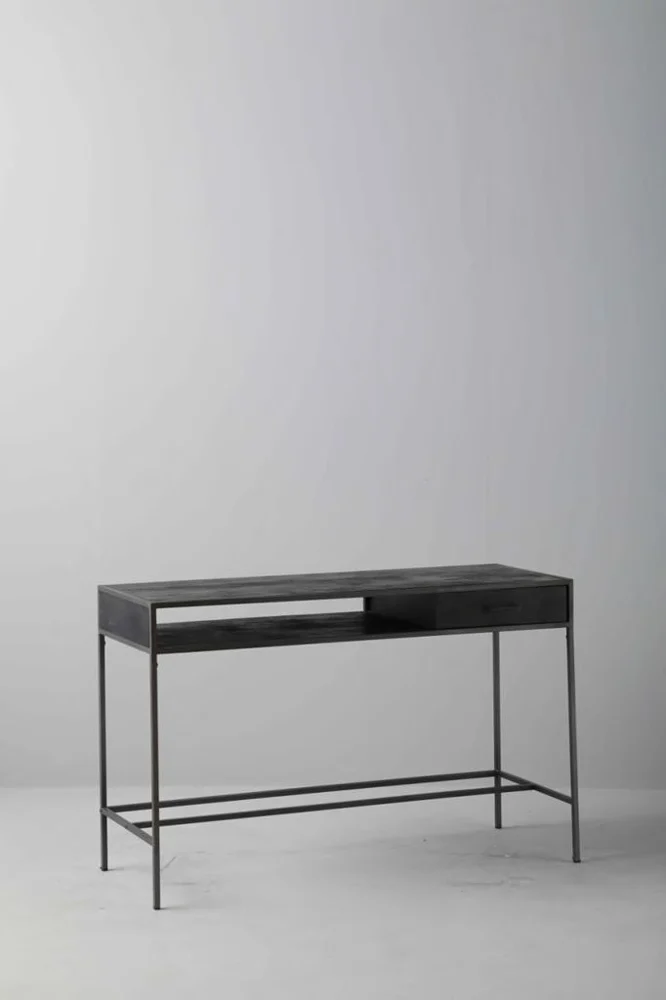
Group the shortlist by category and give every design its own reference. You might review seating, dining tables, cabinets and sideboards and console tables as separate sections. Keep the selected photograph or page link attached to each line so that a request cannot be confused with a similar design.
Separate the product specification from the brand layer
The product section should record required dimensions, material direction, finish, upholstery or hardware questions, quantity and destination. The brand section should list the proposed brand name, label position, artwork responsibility and any buyer-supplied wording. Do not use the brand layer to replace missing product information.
A photograph does not confirm wood species, internal construction, coating, performance or compliance. Mark open fields clearly and ask which requirements are feasible for the selected reference. If a design shown in a generated visualization has not been manufactured, identify it as a design concept and confirm its construction before treating it as an orderable product.
Prepare artwork and product information carefully
State which party will supply logos, label artwork, barcodes, product names, care wording and market-required information. Share editable files where requested and identify the approved version. The buyer should verify ownership and accuracy of the brand assets and any legal or market-specific wording before release.
Keep product names created for the retail range separate from factory or catalogue references. The internal reference can remain the link between the quotation, sample, photographs and approval record, while the consumer-facing name is reviewed as its own field.
Map every approval
Create a short approval table for the product specification, finish reference, label artwork, packaging layout and final product information. Name the person or team responsible for each decision and record the revision date. If several colourways or sizes are proposed, give each one a distinct approval status.
When a change is requested, retain the earlier version and issue a new revision. This prevents an approved label from being paired with an outdated product specification or a revised finish from being missed in the commercial discussion.
Include the market and logistics questions
Share the destination country or city, intended sales channel and any buyer-defined packaging or labelling requirements. Ask for packing details and commercial terms for the selected products rather than assuming one method applies to the full range. If a timetable matters, present the requested dates for discussion and confirmation.
Before comparing offers, check that every response covers the same product references, quantities, brand elements and approval steps. A price without the same scope may not be directly comparable. Keep certifications, testing, delivery commitments and product claims as confirmed written items for the chosen specification.