

BUYER NOTES · 24 OCTOBER 2026
Mixed-material furniture: confirm every component before quotation
A clear component schedule helps buyers compare the intended materials, finishes and construction details of one furniture design.
Furniture that combines a top, base, frame, panels, upholstery or hardware can look simple in a photograph while containing several separate decisions. For an importer, retailer or interior project buyer, the useful starting point is to divide the selected piece into components. Each component can then be described, questioned and approved without assuming that one image confirms the full specification.
Build a component-by-component schedule
Give the product one reference, then list its visible and functional parts beneath it. A table schedule might include the top, supporting structure, feet and any connecting hardware. A chair schedule could separate the frame, seat, back and upholstery. A cabinet schedule may need the outer body, doors, shelves, drawers, handles and hinges.
Record the required material and finish beside each part only when they are known buyer requirements or confirmed supplier details. If a detail remains open, mark it “to confirm.” This is more useful than allowing a blank field to be interpreted as approval.
Keep appearance separate from material confirmation
A photograph can show colour, surface character and overall form, but it cannot reliably establish wood species, metal grade, stone type, coating system or internal construction. Screen colour also changes with lighting and display settings. Treat an image as the design reference and use written confirmation for the specification.
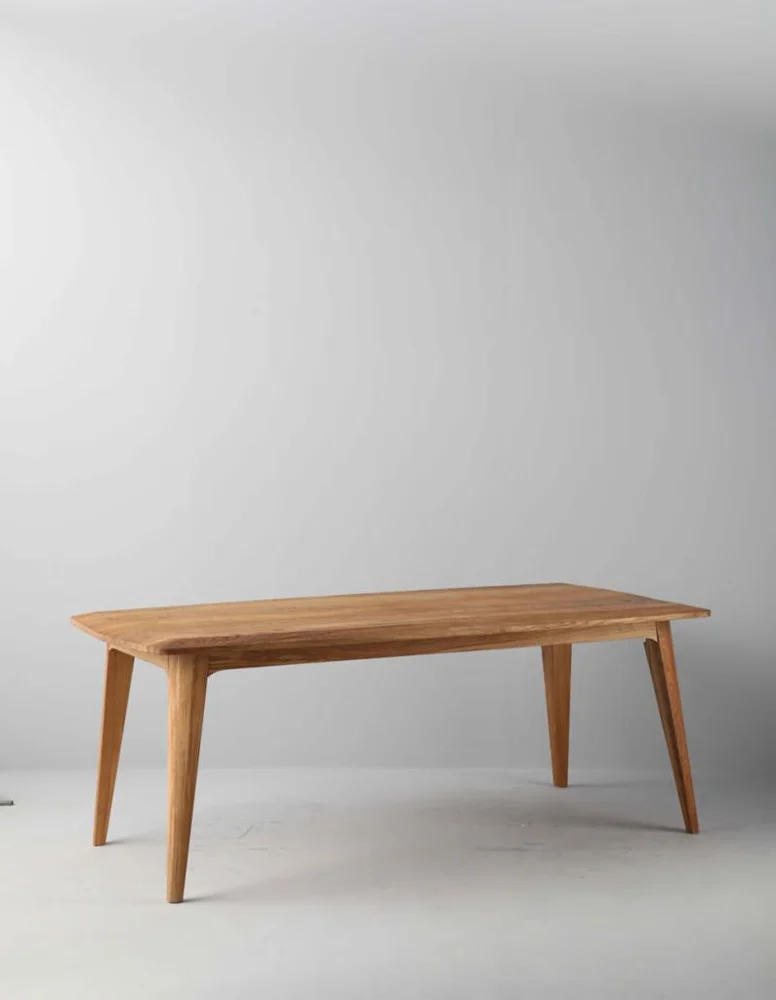
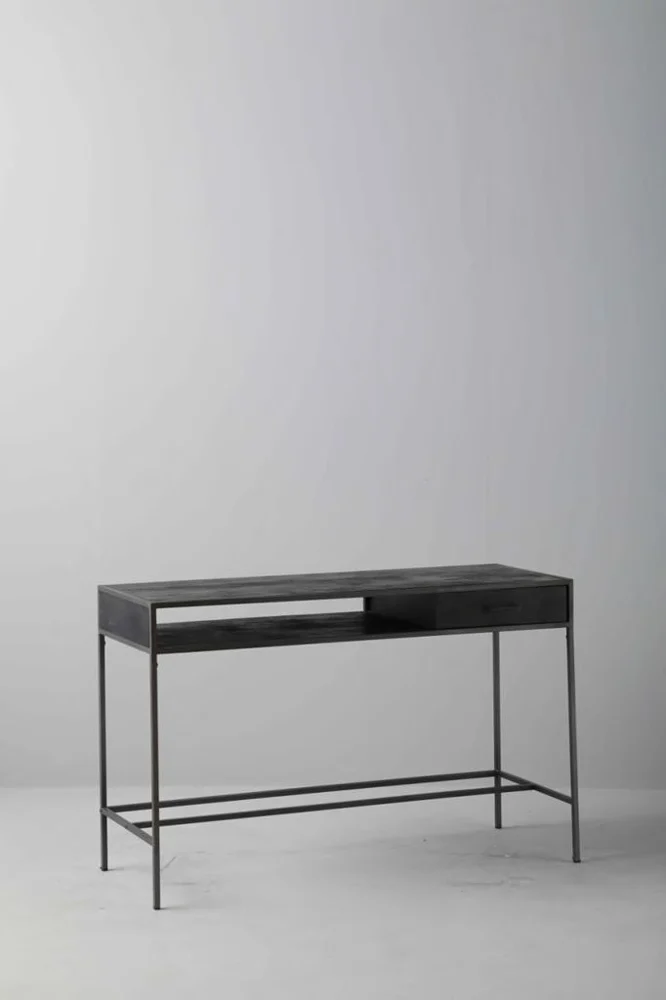
When browsing Ratna Exports’ dining tables or coffee and side tables, attach the selected page or photograph to the enquiry. Then state which materials and finish direction you want discussed for that exact reference.
Ask how the components meet
The junction between two components can affect appearance, assembly and future handling. Ask whether the chosen design is supplied assembled or requires assembly, and request the relevant connection details before approval. If the project has access restrictions, share the doorway, lift and route measurements that may affect the selected piece.
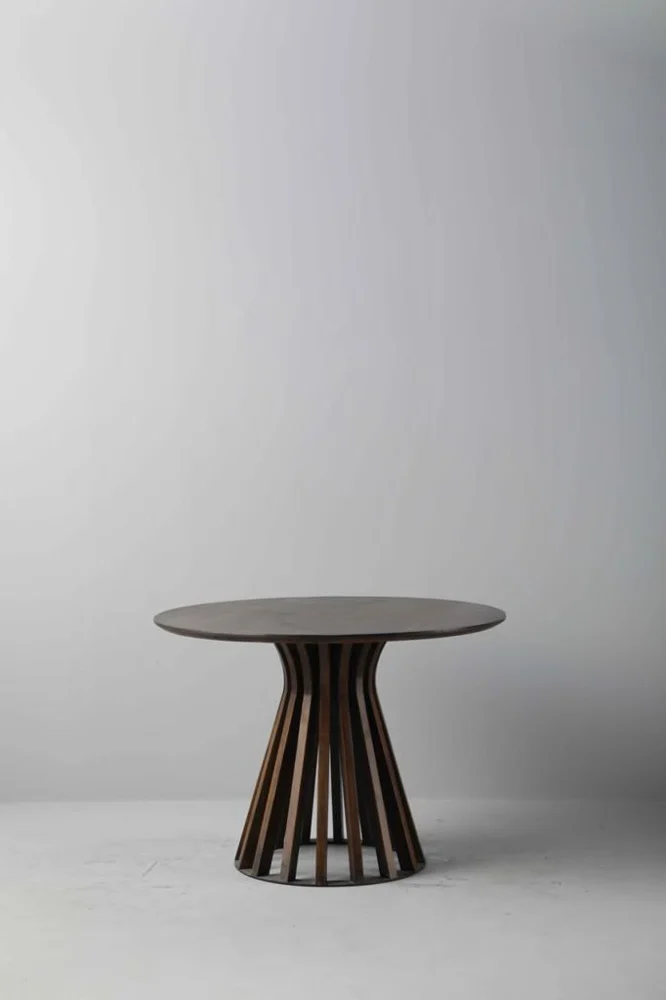
For a table, the relationship between the top and base should be discussed together. A base shown on its own does not confirm compatibility with every top size or material. Use the table-base collection as a starting reference, then confirm the complete table proposal for the intended use.
Approve finishes against named references
Use a simple reference system for finish decisions: product reference, component, finish name or sample code, revision date and approval status. If different components use different finishes, record them on separate lines. A general note such as “same as image” can leave room for different interpretations.
If a physical sample is part of the process, identify it in the schedule and keep photographs as supporting records. Confirm which reference controls when the physical sample, written description and screen image appear different. Any change after approval should receive a new revision rather than replacing the earlier record without history.
Check the complete piece before comparing offers
Before requesting a quotation, review the component schedule alongside the dimensions, quantity, destination and intended room or retail collection. Include upholstery, hardware, packing or installation questions where they apply. For seating, the selected reference in the seating collection should remain attached to its own component details.
When comparing responses, check whether every supplier is answering the same component list. If one offer leaves a material, finish or connection open, seek clarification before treating the prices as directly comparable. Commercial terms, feasibility and delivery timing should also be confirmed for the selected specification.