

BUYER NOTES · 15 OCTOBER 2026
Furniture sample approval: keep every revision clear
Give each decision a reference, a date and a clear status before moving from a sample to an order.
A furniture sample discussion can involve a buyer, a sourcing team, a designer and a manufacturer. One person may be reviewing the silhouette while another is checking a finish or a drawing. If those comments refer to different versions, the next quotation or sample can answer the wrong brief. A shared approval record helps everyone work from the same information.
This is a practical organising method for importers, retailers and interior project teams. It does not establish a product’s specification or replace the details agreed for an individual order.
Give the selected product one reference
Start with the exact photograph or drawing you are discussing. Assign a reference that appears on the enquiry, quotation discussion and sample record. Keep separate products on separate lines, even when they are being considered for the same room or retail collection.
A photograph, a detail crop and a styled presentation may show the same underlying product. They should not become three different items in the approval list. If the starting point is an unmanufactured design concept, record that status clearly and ask which design details still need development.
Separate appearance from confirmed details
Use one part of the record for visual preferences: the selected form, a finish reference and the features to retain. Use another for details requiring written confirmation, such as materials, dimensions, hardware and assembly arrangements. Avoid turning an impression from a photograph into an agreed specification.
For example, a preferred dark appearance does not identify a timber species, coating system or exact colour. Where a physical finish sample is being discussed, give it its own reference and note the product and revision it relates to. Ask how natural material variation will be reviewed rather than assuming every piece will be visually identical.
Record what changed and what stayed approved
When requesting a revision, identify the current version and list each requested change. A short dated note is easier to follow than several conflicting image annotations. Keep superseded versions available for reference, but mark them clearly so they cannot be mistaken for the current brief.
Useful status labels include “awaiting information”, “revision requested” and “approved against the listed details”. Avoid a broad “approved” label if only the appearance has been accepted and other points remain open. Name the person responsible for answering each outstanding question.
Check how pieces work together
For a coordinated range, review individual products first, then the relationships between them. A table and chair discussion may need confirmed dimensions for both pieces. Storage furniture may need a separate review of internal arrangements, handles or access requirements. A matching visual direction alone does not confirm that every model shares a specification.
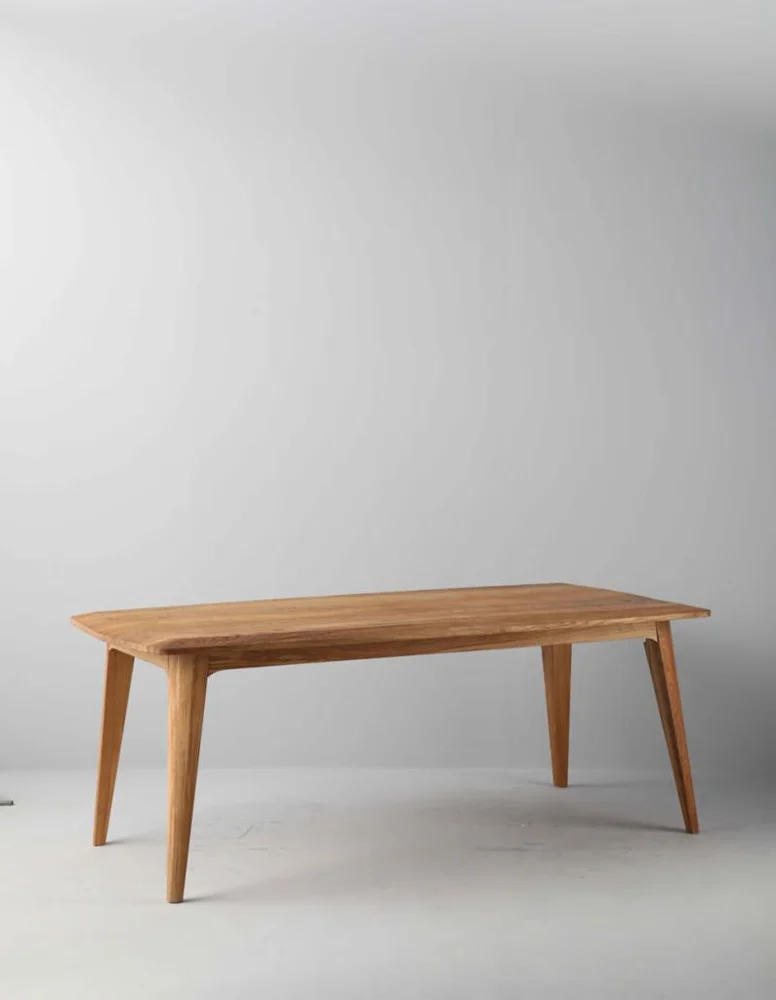
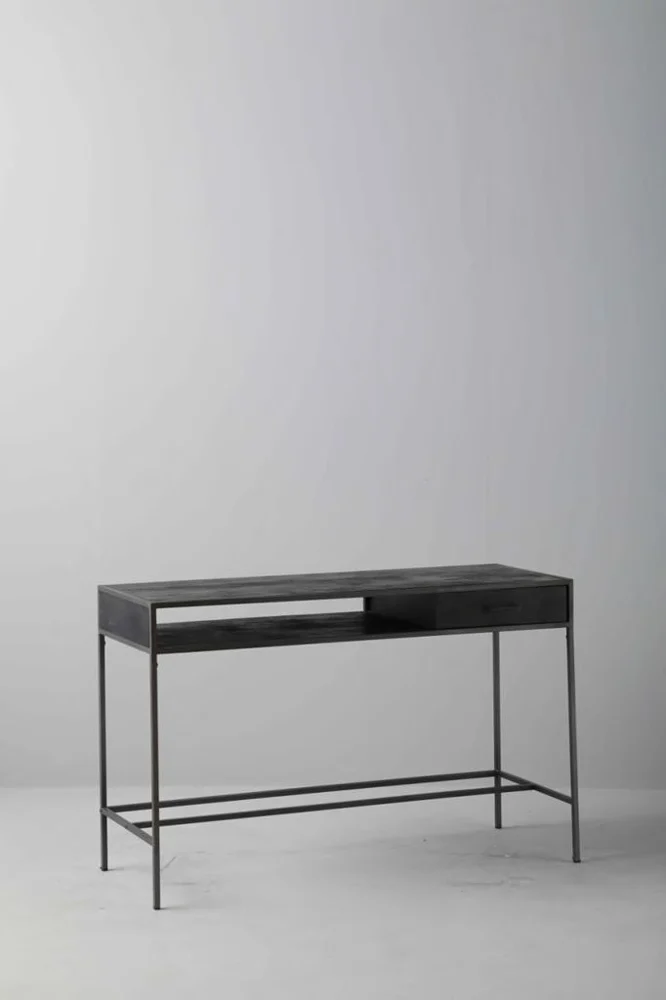
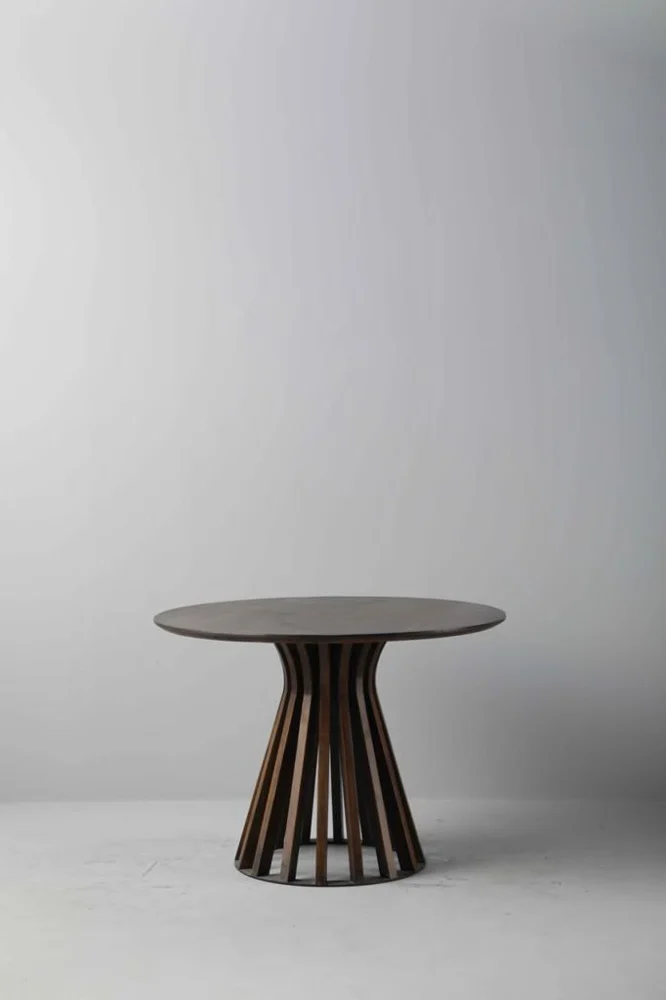
Use the dining-table collection, cabinet and sideboard collection and coffee and side-table collection as starting points for selecting references. Request the relevant model details before deciding whether pieces belong in the same order.
Carry the agreed revision into the order discussion
Before progressing, compare the current sample record with the quotation and proposed order information. Check product references, quantities, the agreed revision, finish references and any unresolved questions. Discuss packing, assembly information and destination requirements for the selected products rather than treating an earlier general conversation as confirmation.
A compact approval sheet can bring together the product reference, drawing version, finish-sample reference, dated comments, decision status and next action. Its purpose is simple: make it clear what has been agreed and what still needs an answer.