
IMPORTER NOTES · 4 NOVEMBER 2026
Furniture replacement-part enquiries: identify the exact product and component
Connect every requested part to the correct product version, component and confirmed finish reference.
A request for a replacement part can sound simple, yet one product may have several versions, finishes or assembly arrangements. A label such as “leg”, “handle” or “panel” may not identify the correct component. A structured enquiry helps the buyer and manufacturer connect the request to the exact furniture reference before availability, specification or commercial details are discussed.
Identify the complete product first
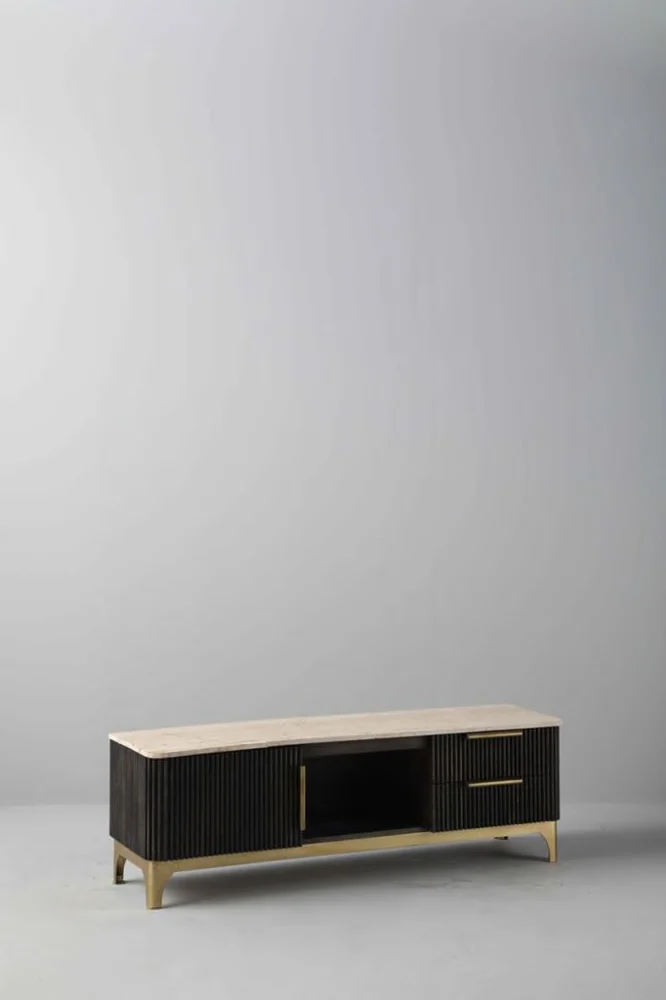
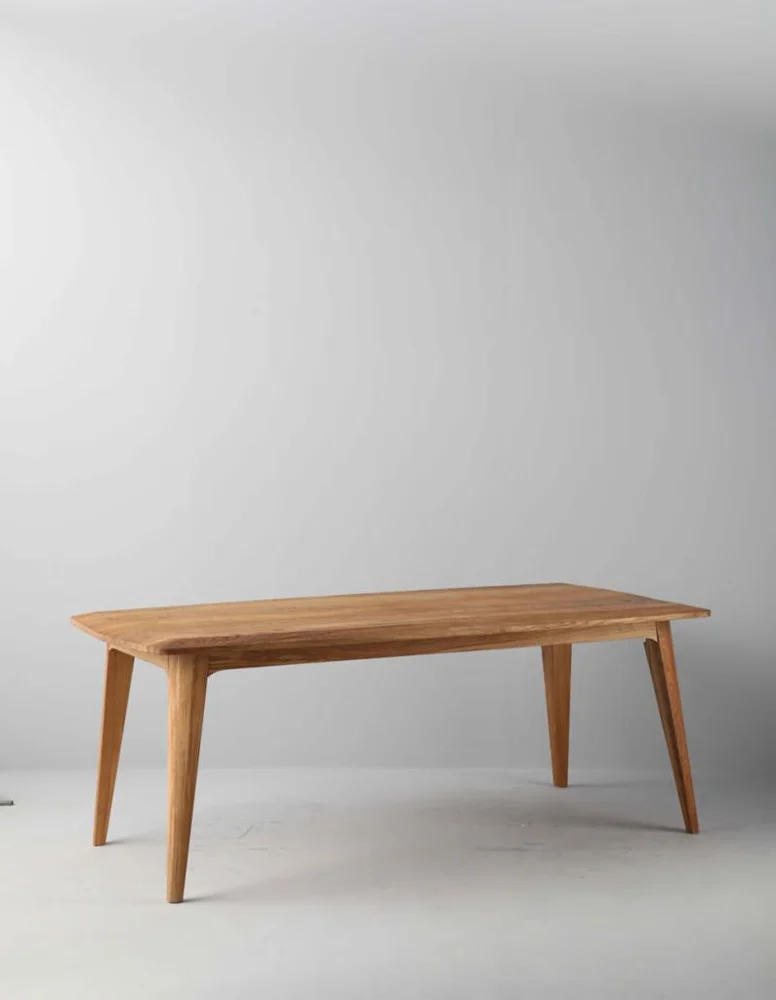
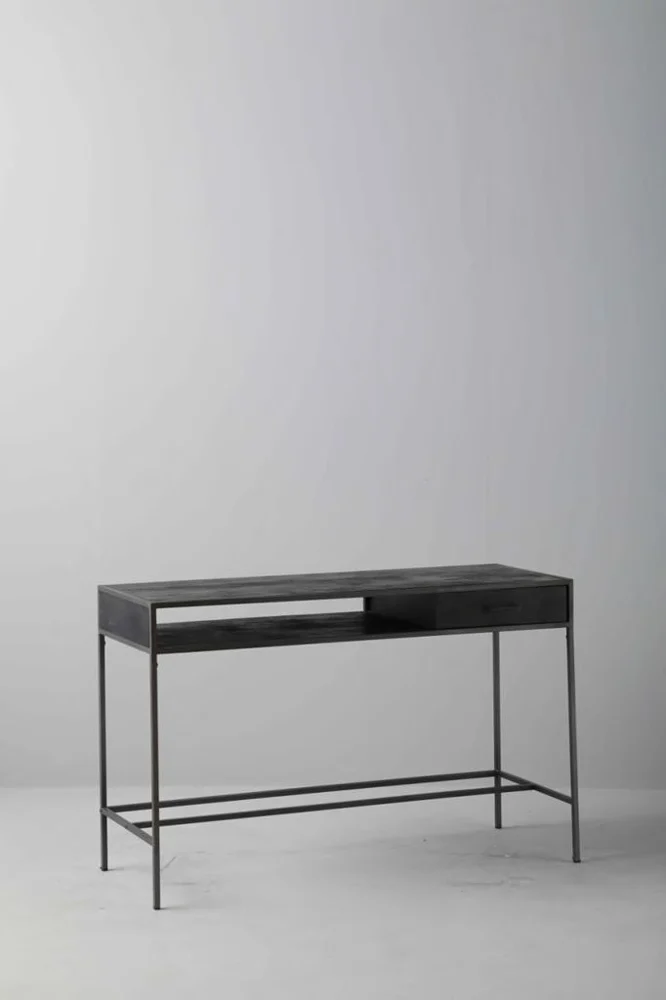
Start with the product reference used on the order, invoice, packing list or approved product record. Add the original order date or another traceable record when available. State whether the item belongs to seating, a dining table, cabinet or sideboard, console or another collection.
A room photograph or broad style description is not enough to establish identity. If the reference is missing, provide several clear photographs and explain where the product came from. The manufacturer should confirm whether the evidence is sufficient to identify the product and its version.
Describe the component by position and function
Name the part and show its position on the complete product. For repeated elements, mark left or right, front or rear, upper or lower, and the viewing direction. A numbered photograph or simple annotated drawing can reduce ambiguity without assuming hidden construction.
State whether the request concerns a missing component, a damaged component, an extra part or a proposed replacement. These are different situations. Keep the description factual and avoid diagnosing the cause of damage unless it has been assessed.
Use photographs that answer identification questions
Provide one photograph of the complete product, one of the component in position and one close view of the relevant connection or visible detail. Include the product label or packing mark when it is readable. Do not crop away the surrounding structure needed to understand orientation.
If the part is no longer attached, photograph it beside the product and show both faces that are genuinely visible. Do not generate an unseen rear or internal view and present it as evidence. A generated visualization may support discussion only when it is clearly labeled as a design concept or review visualization.
Record dimensions without estimating from an image
Use the current approved drawing or measure the physical component with a stated unit. Record the points between which each measurement was taken. Include hole centres, fitting positions or clearances only when they can be measured accurately and are relevant to identification.
A photograph can distort scale and perspective. It should not be used to infer dimensions. If the buyer cannot confirm a measurement, mark it as open so the manufacturer can request the correct evidence.
Connect finish and material information to records
Quote the approved finish code, sample reference or documented material description for that exact product. A colour name alone may not establish substrate, texture or sheen. Similar-looking pieces can use different components, so do not transfer a specification from another product family.
Where a visible match matters, provide current photographs under neutral light and the original finish reference if available. The manufacturer should confirm what can be matched and what fresh approval evidence is required. Do not promise an exact match from a photograph alone.
Check fittings and assembly relationships
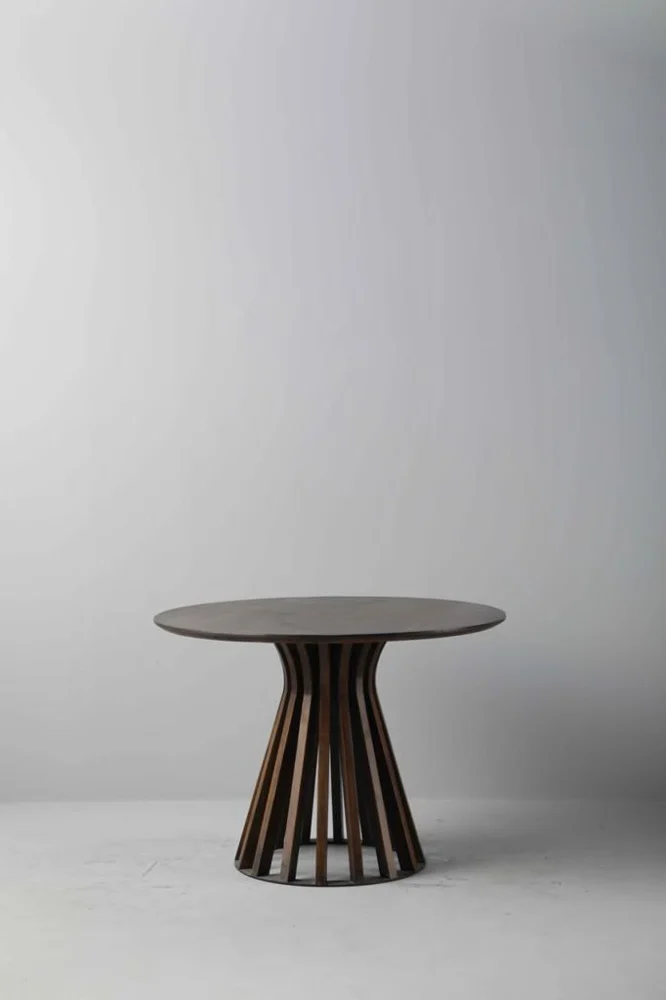
Show how the component relates to bolts, inserts, brackets, hinges, runners or other fittings. Record any markings on removable hardware. For coffee and side tables or table bases, identify the top and base reference separately when the assembly contains distinct parts.
Do not assume that a similar fitting is interchangeable. The manufacturer should verify compatibility with the identified product version. Assembly instructions, fitting quantities and tools should also be confirmed for the proposed part.
Separate identification from supply confirmation
The first stage of the enquiry is to identify the product and component. Availability, price, minimum quantity, packing, freight, delivery timing and any warranty position require separate confirmation. A clear identification record supports those discussions but does not establish a supply commitment.
Prepare a short request table with product reference, component description, position, quantity, evidence supplied, finish reference and open questions. Keep one line for each distinct part. This gives both sides a controlled basis for checking the request and recording the manufacturer’s response.
Close the enquiry with a confirmed reference
Before accepting the proposed part, compare the manufacturer’s confirmation with the buyer’s photographs, measurements and product record. Record the final component reference and any approved drawing or finish sample attached to it. If evidence conflicts, return the request for clarification rather than selecting the closest-looking option.
A disciplined replacement-parts enquiry reduces avoidable uncertainty and creates a record that can follow the component through quotation, packing and receiving discussions.