


RETAIL NOTES · 2 NOVEMBER 2026
Furniture range reviews: find assortment gaps before sourcing new pieces
Map the role of each product before adding more designs to a retail furniture collection.
A retail furniture range can become crowded even when individual products look attractive. Similar sizes, repeated functions and unplanned finishes can compete for the same customer need. A structured range review helps a buyer see which roles are already covered, which gaps are genuine and what information a new sourcing enquiry should include.
Map the current range by category and function
Start with a list of every active product reference and its intended role. Separate seating, dining tables, storage, consoles and occasional furniture. Within each category, record the function the buyer expects the product to serve rather than relying only on its style name.
A category count alone can be misleading. Several products may occupy the same size, room position or visual role. Mark those overlaps so the review distinguishes true variety from repeated alternatives.
Use room and customer context
Identify where each piece is expected to work: a dining area, living room, entryway, bedroom, café or another project setting. Note the buyer’s intended customer, space constraints and use case. These are planning inputs, not performance claims.
If a design could serve more than one room, record the primary retail story and any secondary use separately. This helps product descriptions and displays remain clear without promising suitability for conditions that have not been assessed.
Compare size roles without inventing dimensions
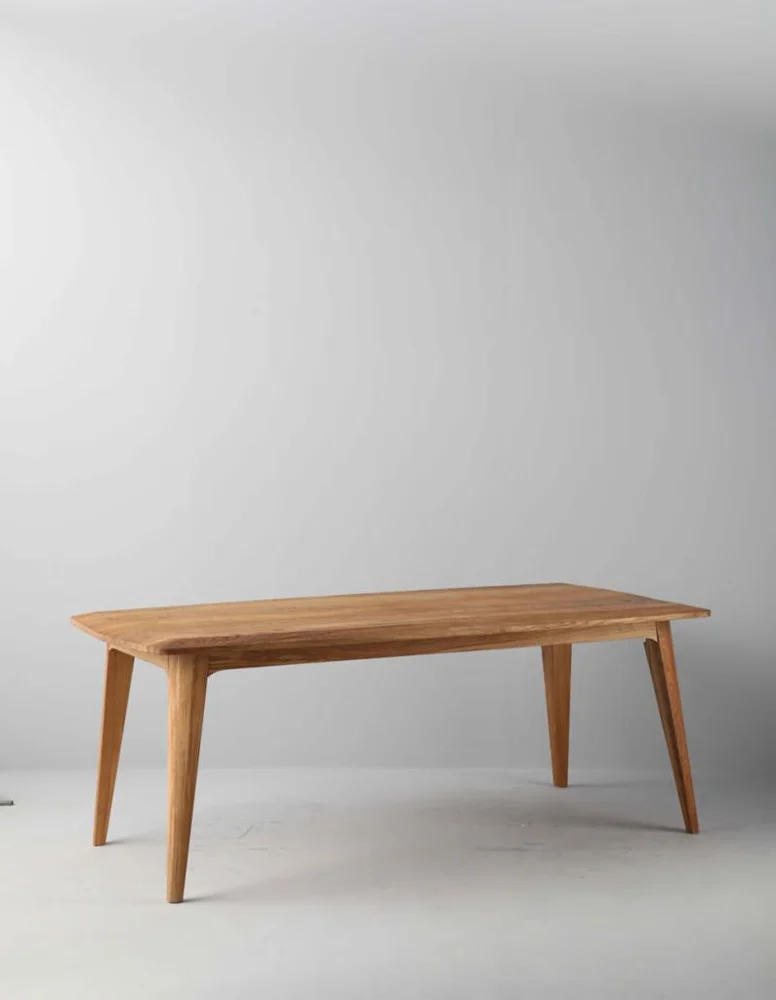
Group products into the size positions the retailer needs, such as compact, standard or larger-format options. Use confirmed dimensions from current specifications when available. A photograph should not be used to estimate size or clearance.
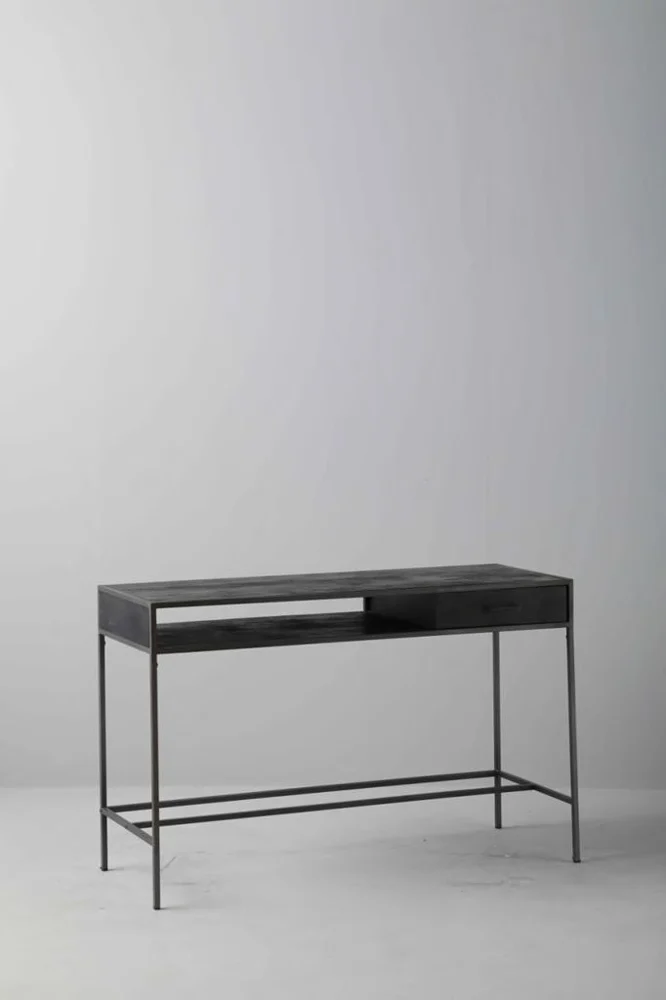
For cabinets and sideboards, consider the intended storage role and available wall space. For consoles and coffee or side tables, compare footprint, height relationship and placement. The manufacturer should confirm the proposed product dimensions for the final enquiry.
Review finish direction as a collection
Create a finish map using only confirmed material and finish references. Look for unnecessary duplication as well as gaps in the intended palette. Similar colour names may describe different substrates, sheen levels or textures, so connect every finish to its product and approved sample.
Decide where coordination is useful and where contrast has a clear retail purpose. Do not extend a wood species, metal finish or other material description from one product to another because the photographs appear related.
Separate core, supporting and statement roles
Give each product a buying role. Core pieces may anchor a category, supporting items can complete a room story and statement pieces may provide visual distinction. The labels are internal planning tools; they do not establish sales performance, stock levels or commercial priority.
Check whether one category has too many products performing the same role while another lacks a practical option. A new product should answer a defined gap rather than simply add another photograph to the range.
Decide whether to retain, revise, replace or add
For every product, record one proposed action and the evidence behind it. Retain a design when it still serves a clear need. Revise only when the required change is specific and can return to drawing, finish or sample approval. Replace a product when the buyer has defined the missing role. Add a design when it introduces a distinct function, scale or collection position.
Keep commercial decisions separate until the proposed assortment is clear. Current prices, minimum quantities, availability and delivery timing should be requested and confirmed for the selected references.
Turn the review into a focused enquiry
Prepare a shortlist showing the category gap, intended use, target size position, material or finish direction, quantity and destination. Attach references for products being retained or coordinated. Mark any generated, unmanufactured design as a design concept rather than photographed stock.
A focused range brief gives the manufacturer better questions to answer and gives the retailer a clearer basis for comparison. It turns assortment planning into a traceable sourcing decision instead of a collection of disconnected images.