

BUYER NOTES · 19 OCTOBER 2026
Comparing furniture quotations: keep the scope consistent
Before comparing figures, make sure each quotation describes the same request.
Two furniture quotations can look comparable while covering different products or responsibilities. One may refer to a different finish, another to a different quantity, and a third may leave packing or assembly details unresolved. For importers, retailers and interior project teams, a useful comparison begins with a common scope rather than a ranking of totals.
This is a practical enquiry guide. It does not state Ratna Exports prices, standard inclusions or commercial terms. Those details must be confirmed for the selected request.
Give every line a stable reference
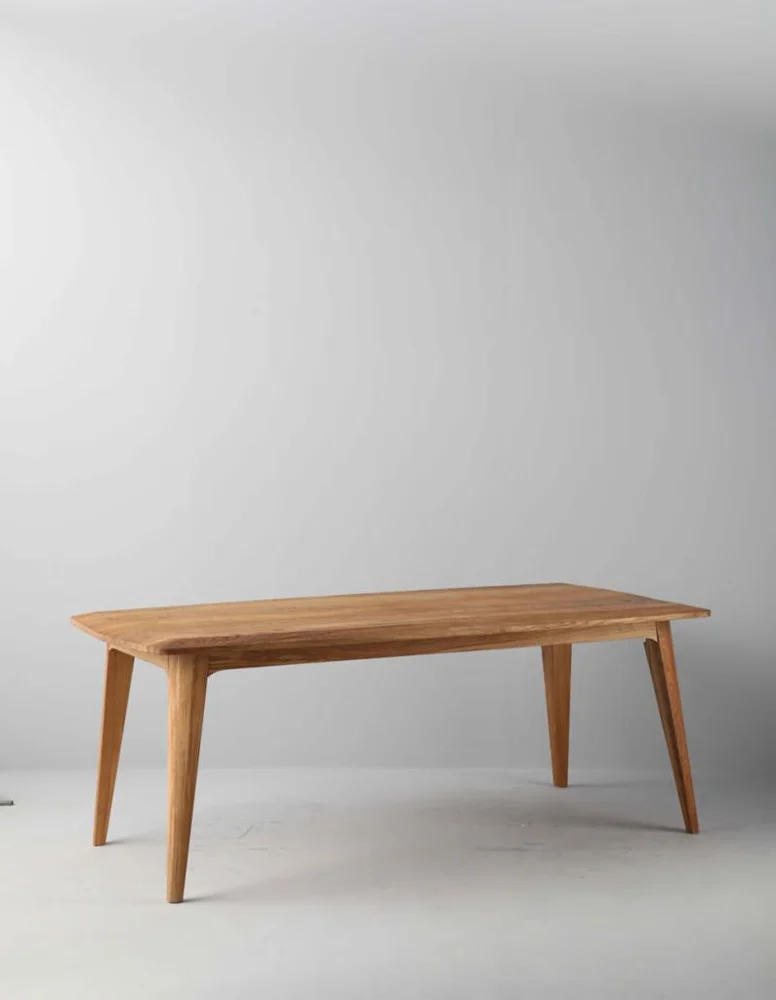
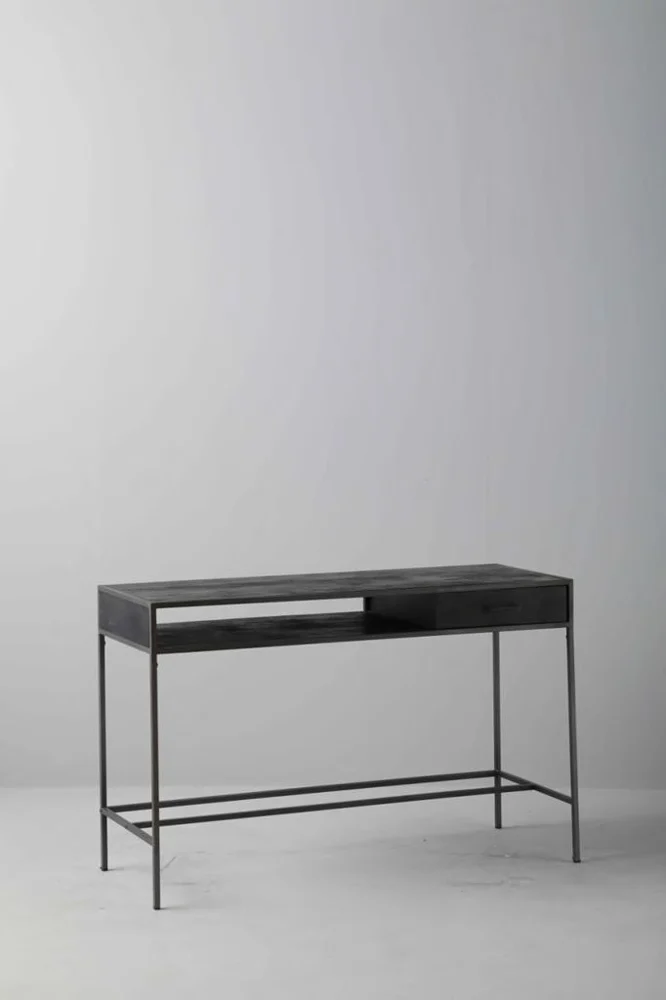
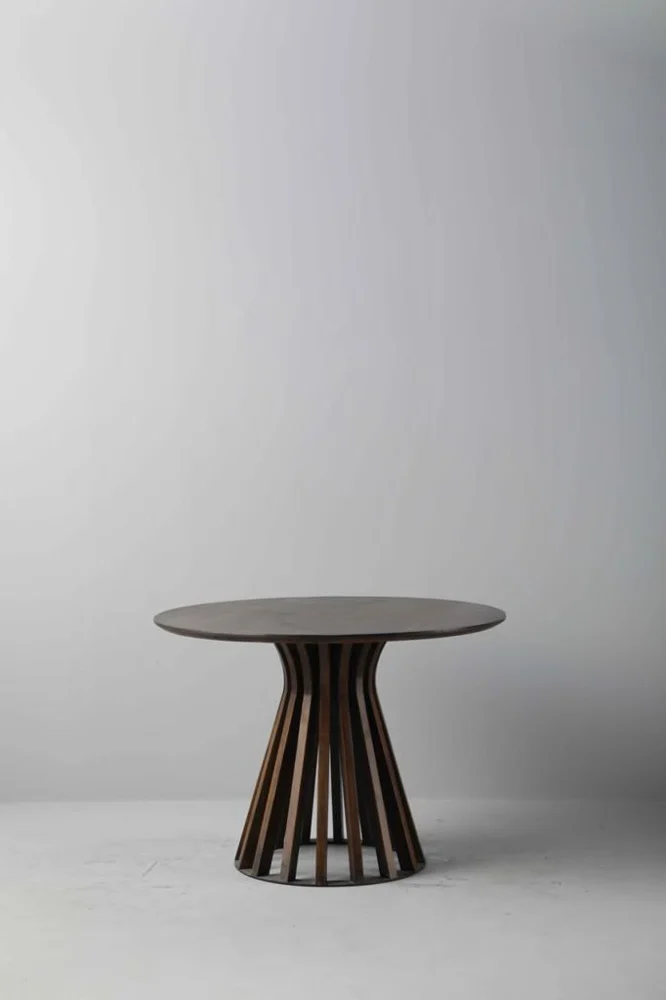
Link each quotation line to the same product photograph, agreed drawing or clearly identified design reference. A broad label such as “dining table” or “sideboard” is not enough to establish that two offers concern the same piece. Keep your own reference visible through each revision.
Where a visual is an unmanufactured design concept, record that status. Ask whether the quotation concerns development, a sample or an agreed production specification. Do not compare an illustrative concept with a confirmed manufactured product as though both have identical scope.
Keep quantities and units aligned
Record the requested quantity beside every reference and identify what one unit means. A table, a bench and a coordinated set should not share an ambiguous quantity field. For a mixed collection, list the quantity of each component rather than relying only on a family total.
For project work, retain a separate room or zone allocation if it helps your team account for the furniture. Keep that allocation linked to the quotation lines without letting it replace the actual product quantities. If the mix changes, request an updated quotation rather than assuming the previous figures still apply.
Make specification differences visible
Place confirmed dimensions, material choices, finish references and any agreed construction details beside the selected model. Mark missing information as pending. Similar-looking photographs do not establish the same wood species, surface treatment or internal arrangement.
A proposed alternative belongs in its own comparison line. If a supplier suggests a different size, finish or construction, ask for the difference to be described explicitly. This lets the buying team distinguish a deliberate alternative from a misunderstanding, without treating either option as automatically equivalent.
Separate inclusions from assumptions
Ask each quotation to identify what is included and excluded for that request. Depending on the enquiry, useful questions may concern assembly condition, supplied components, packing requirements, sample charges, transport scope or destination-related responsibilities. The purpose is to clarify the offer, not to assume any item is included as standard.
Keep the stated currency, quotation date, validity and commercial basis visible in your comparison. Where a term is unclear, ask for a written explanation before treating totals as directly comparable. Do not silently add estimated charges or convert an unanswered question into an agreed commitment.
Close questions before selecting a revision
Maintain a short clarification list with a responsible contact and the latest answer for each open point. Distinguish the original offer, revised offer and accepted scope. A message agreeing to one finish change should not be taken as approval of every other unresolved detail.
Use the dining-table collection, cabinets and sideboards and coffee and side tables to identify the references you want to discuss. Keep the comparison focused on those selections; a collection page introduces options but does not replace a model-specific quotation.