
BUYER NOTES · 18 OCTOBER 2026
Furniture product photographs: ask for views that answer buying questions
Build a focused image request around the decision you need to make, not simply the number of pictures.
A furniture image can introduce a design, but a buyer may need different views to decide whether to request more information. For importers, retailers and interior project teams, a useful photography brief starts with an unanswered question. Is the overall form clear? Can you see the storage arrangement? Does a detail need clarification?
This guide suggests what to request where genuine photographs are available. It does not claim that every listed view exists for every Ratna Exports product or that a photograph confirms a specification.
Start with a complete product view
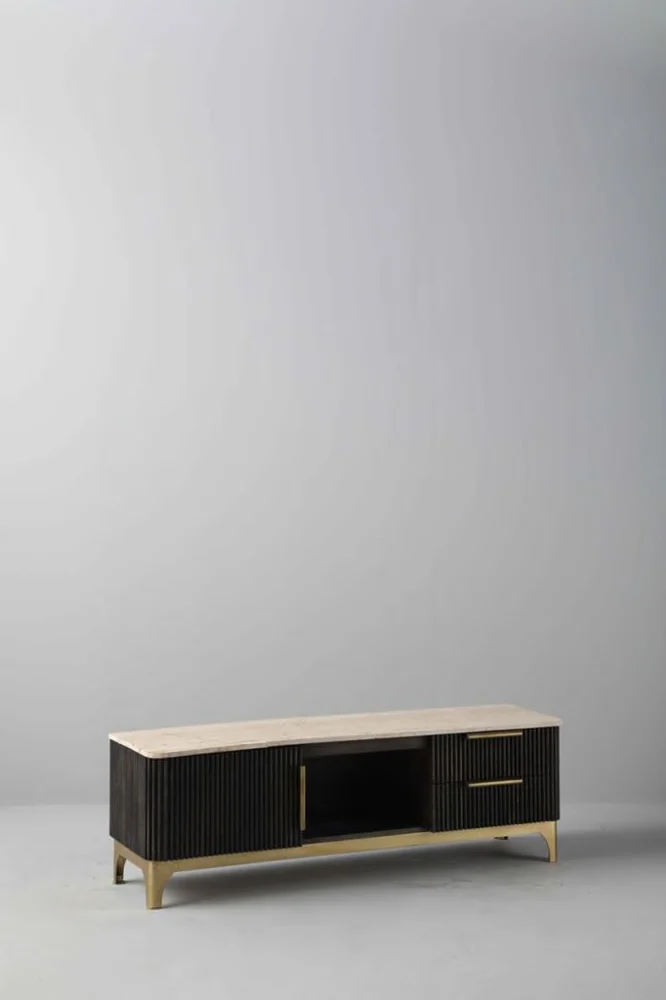
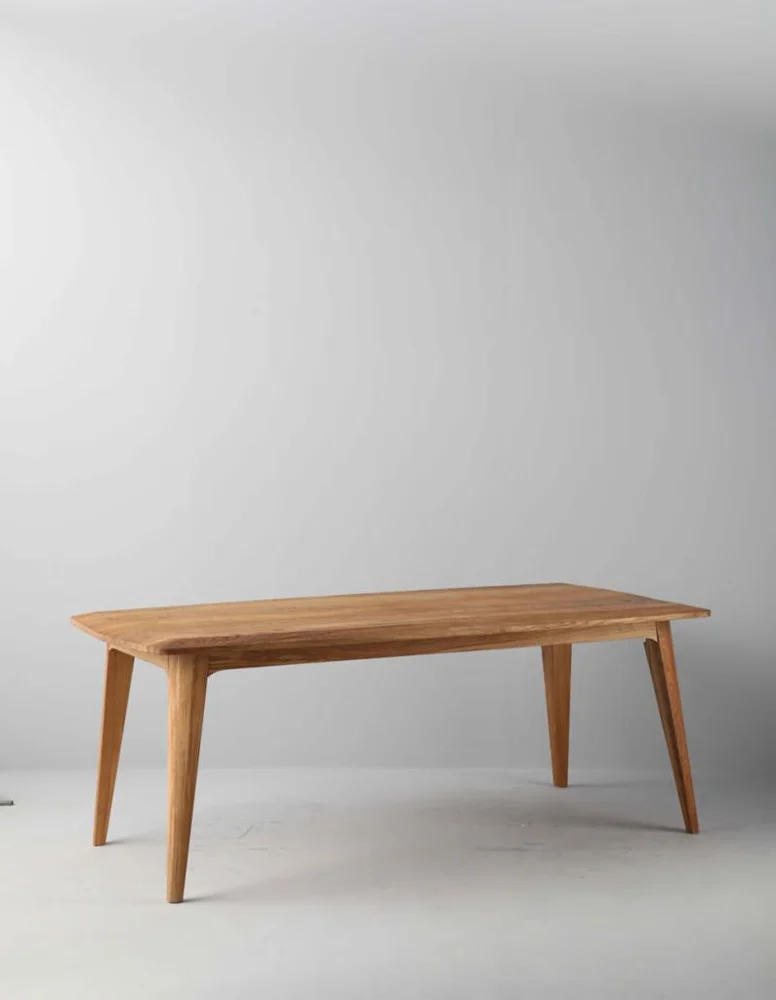
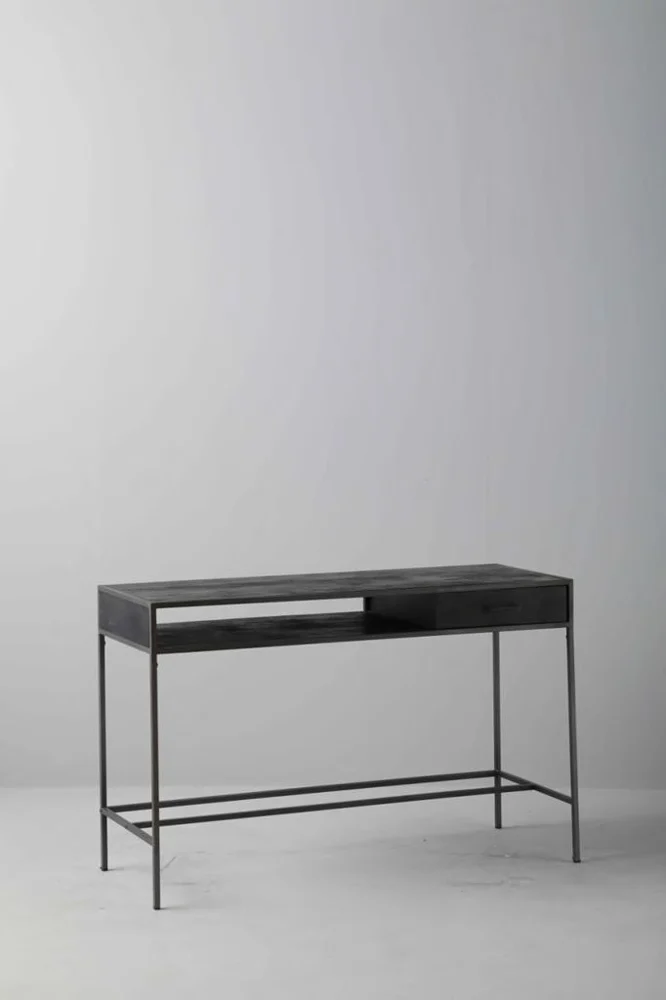
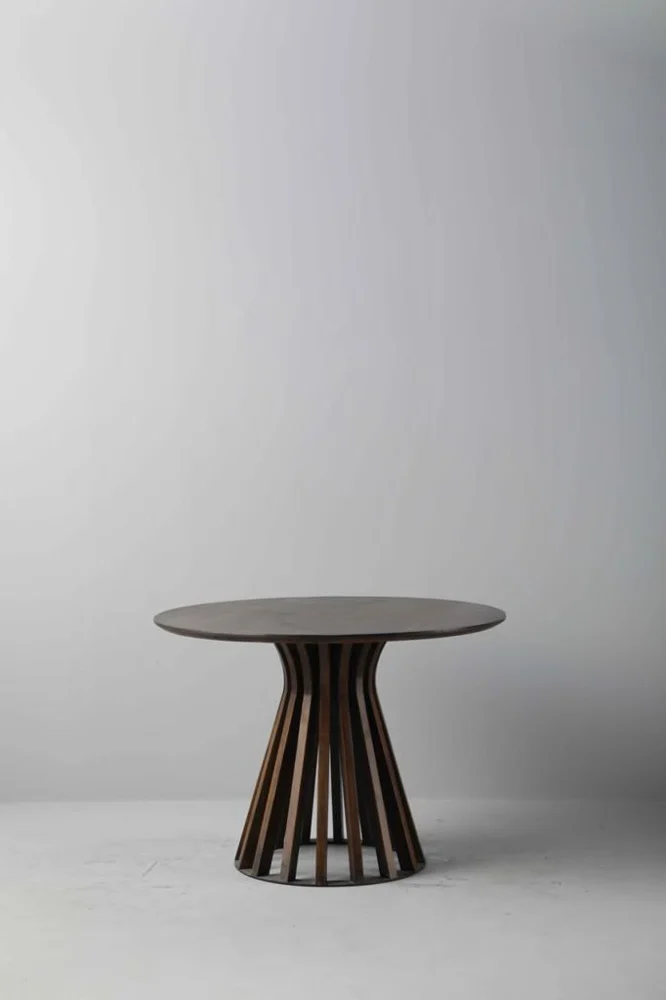
Identify the selected model with a photograph showing the whole piece, including its base and outer edges. Keep that reference attached to later questions so close-ups and alternative views are not accidentally assigned to a similar-looking design.
Ask whether an image shows a photographed product, an edited setting or an unmanufactured design concept. A changed background does not make a new product or a new camera angle. A concept image should remain identified as a concept while its design and production feasibility are discussed.
Request a different view for a different question
If the front view leaves something unclear, explain what you need to see. A side or rear photograph may answer a question about the visible form. An open-door or open-drawer photograph may help clarify the internal arrangement of storage furniture. Request the relevant view rather than a larger collection of near-identical front images.
When an authentic view is unavailable, keep the question open. Do not treat a generated reconstruction of an unseen side as evidence of the actual product. A manufacturer-confirmed drawing or written explanation may be another route to clarification, with its status clearly identified.
Give detail images enough context
A close-up of a handle, joint, edge or surface is most useful when you know which part of which product it shows. Ask for the detail reference to be linked to the complete product photograph. Keep the full image alongside any crop used in your internal shortlist.
A close-up can show visible appearance, but it does not establish a wood species, coating composition, hidden construction or performance rating. Request those details separately. Equally, a crop should not be described as a newly photographed angle when it comes from an existing image.
Keep colour and scale questions explicit
Do not use the apparent colour in one photograph as the sole definition of an agreed finish. Ask for the finish reference and how any physical sample will be identified. If two images appear different, first establish whether they show the same model and finish rather than assuming a product change.
For scale, request confirmed dimensions or an appropriate drawing. Room props and styled backgrounds are presentation context, not a measurement method. Avoid estimating a table height, shelf spacing or seat size from the surrounding objects.
Make the next request easy to answer
Build a short list with the product reference, the image already reviewed, the missing view and the question it should resolve. Mark supplied photographs, concept visuals and pending requests separately. Where the original file lacks useful detail, ask for a clearer source rather than assuming enlargement reveals information that was never captured.
Explore the cabinet and sideboard collection, dining tables and console collection to select references. Review each product individually before comparing a family, and keep specification questions separate from visual preferences.