


MATERIAL NOTES · 29 OCTOBER 2026
Furniture finish approval: build a useful sample-board record
Compare colour, sheen, texture and application area through one clearly identified approval record.
A finish name on its own rarely gives a furniture buyer enough information for approval. The same colour description can look different across materials, surface preparation, lighting and application methods. A structured sample board helps the buyer and manufacturer discuss what is visible, what has been confirmed and where the finish will be used.
Identify the product and surface first
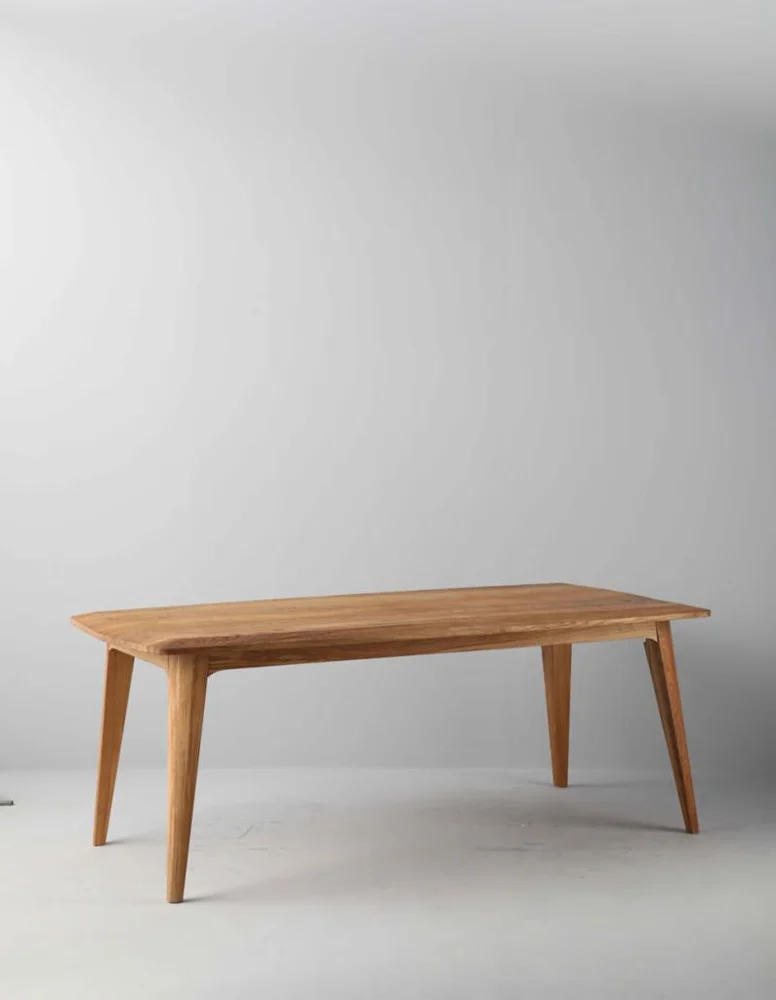
Give every sample a code that connects it to the current product reference and revision. State the component or area it represents, such as a top, front, frame or base. A finish intended for a dining table top should not be assumed to apply to every component in the same design.
Record the confirmed base material or approved substrate beside the sample. Do not extend a material description from one product to another because the surface looks similar. When the substrate has not been confirmed, mark it as an open point rather than guessing from a photograph.
Separate colour, sheen and texture
Review colour, sheen and texture as separate decisions. A buyer may approve the colour direction while asking for a different level of sheen or a revised surface feel. Keeping these points distinct makes the requested change easier to record and prevents a broad note such as “make it lighter” from being applied inconsistently.
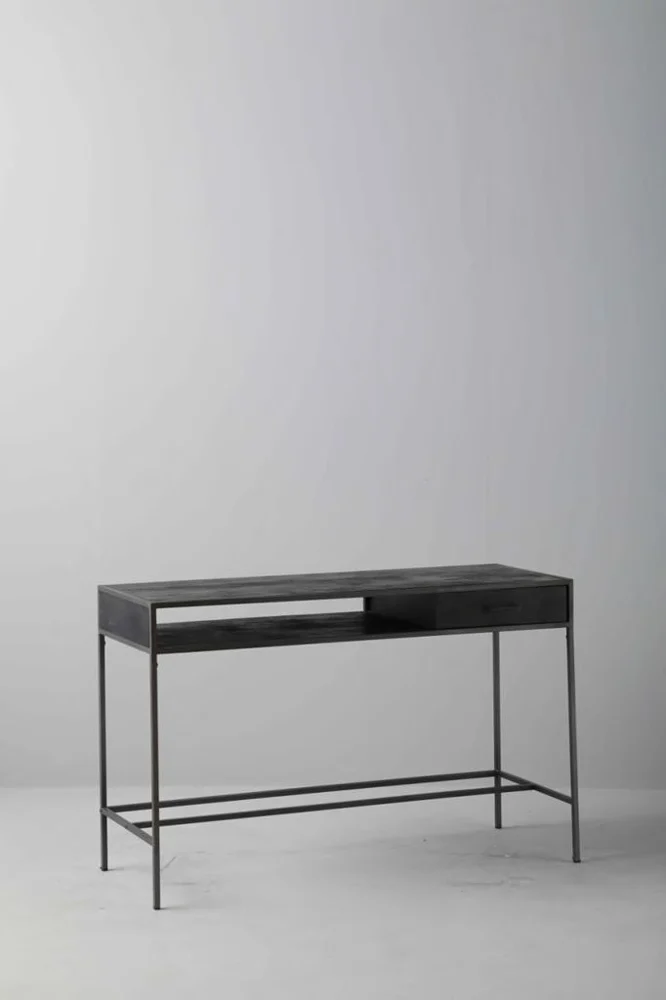
If several components must coordinate, place the related samples together and label each one. This can be useful when reviewing the fronts, frame and top of a cabinet or sideboard, or when comparing a wood component with a metal element. The approval record should identify each surface without assuming that one finish process applies to all materials.
Use a sample large enough for the decision
The board should show enough area to review the intended colour and visible character. A very small chip can hide variation or make texture difficult to judge. Ask whether an edge, profile or joint also needs a separate sample when the finish may appear differently across those details.
Natural materials can show variation, so the buyer should discuss which visible range is acceptable for the selected product. The sample should be treated as a reference for the confirmed decision, not as a promise that every surface will have an identical grain or pattern.
Review the sample in relevant lighting
Look at the board under more than one useful light source and note the conditions used for approval. A showroom, retail floor, restaurant or guest room may present colour differently from a screen or office desk. Project teams can compare the sample with nearby materials, while keeping the furniture specification separate from the room’s changing light.
Photographs are helpful for the approval record, but screens and camera settings can shift colour. Keep the physical reference when colour accuracy matters, and use photographs to identify the approved sample rather than replace it.
Record status, comments and responsibility
Mark each sample as submitted, approved, approved with comments or rejected. Include the review date, reviewer and exact comment. If a revised sample is required, give it a new revision code and retain the earlier record so the sequence remains clear.
Attach the approval to the correct furniture references. A finish approved for a console should not automatically be transferred to seating or another collection. Confirm any proposed reuse against the material, surface and intended visual direction.
Keep the approved reference available
Agree who will retain the buyer-approved sample and how the matching reference will be identified in later documents. The product list, specification and inspection brief should use the same finish code. If a change is requested after approval, record it as a revision rather than editing the original decision without a trace.
A well-labelled sample board cannot replace the full product specification, but it gives buyers a practical visual reference. It also helps keep finish comments connected to the exact product, component and approval stage.