

FURNITURE GUIDE · 22 OCTOBER 2026
Choosing furniture by shape, storage and everyday use
A useful furniture shortlist starts with the room and the people using it. Compare the silhouette, practical function and details that need confirmation before choosing a design.
A dining table, chair, console or cabinet can look appealing on its own and still need a different size or arrangement for your space. Begin with three questions: where will the piece sit, what must it do, and how will people move around it? These questions turn a collection of attractive references into a furniture brief that a manufacturer can discuss clearly.
Compare the shape with your room layout
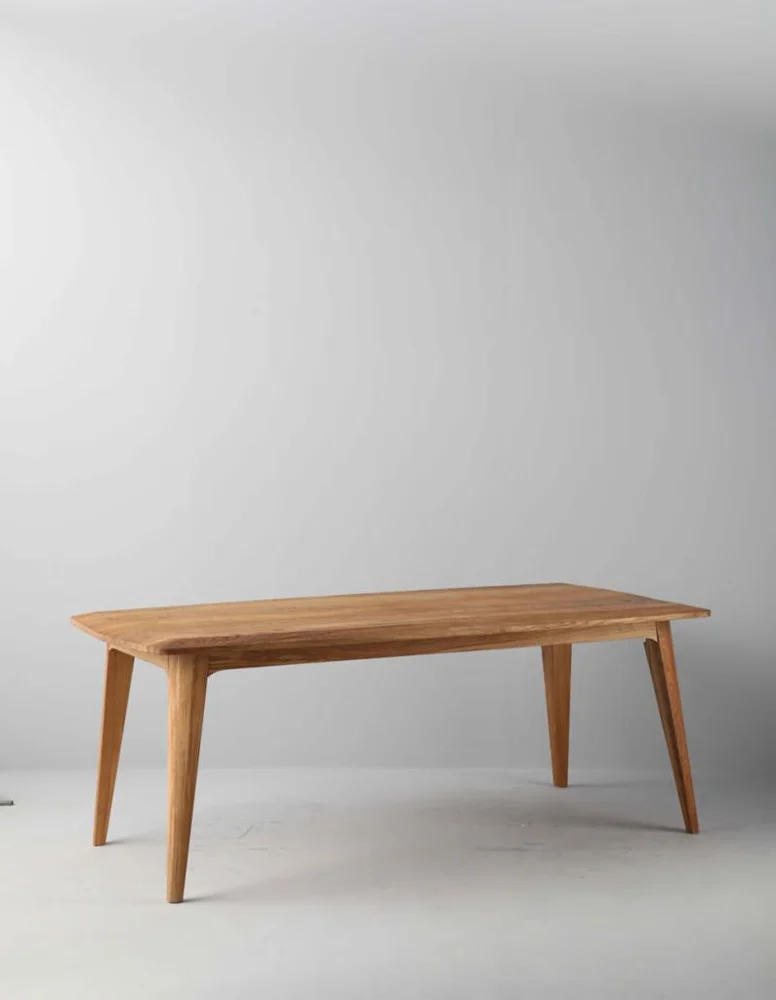
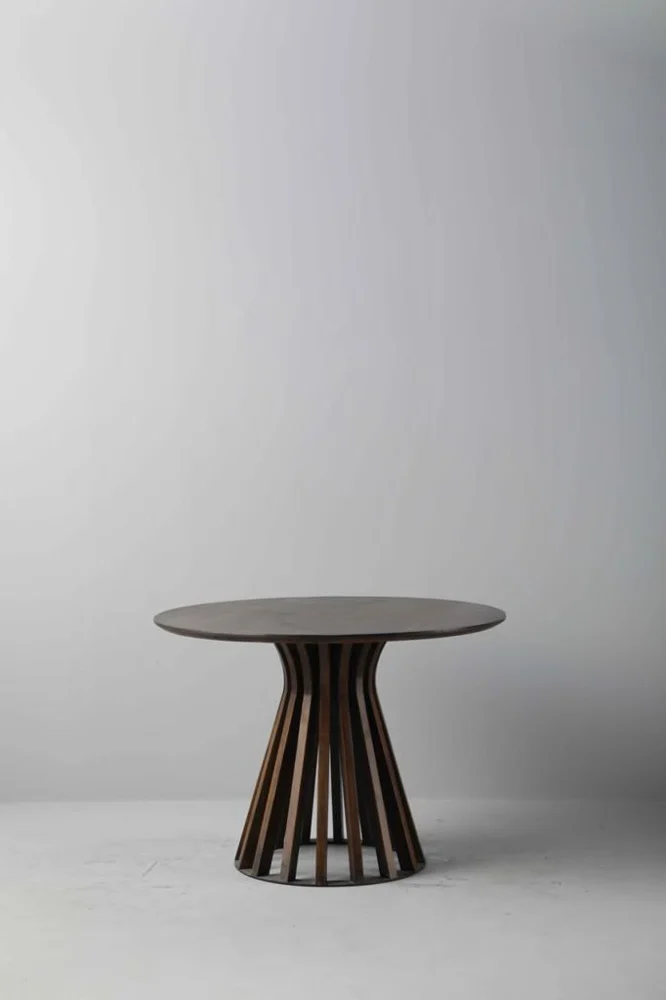
Look at the tabletop outline, base silhouette and visual weight together. A broad base and a slim-legged table create different impressions, but a photograph alone does not establish the usable space beneath either design. For a dining table, compare the chosen chairs with the table height and leg positions. Ask for confirmed dimensions before deciding how many people can sit comfortably.
Measure the available room area, nearby doors and the route used to bring furniture inside. Include these measurements when discussing your dining-table shortlist. Leave circulation space for the actual room and its users rather than relying on a universal clearance taken from an image.
Choose seating by how it will be used
Compare open-back and upholstered chair profiles alongside the table and surrounding furniture. Consider how often the chair will be moved, how it will be cleaned and whether it belongs in a dining area, lounge or hospitality project. Appearance does not confirm comfort, upholstery performance or suitability for commercial use; ask about the selected reference and assess an agreed sample where needed.
For a coordinated project, keep each seating design attached to its own enquiry. Similar-looking chairs may have different dimensions, construction or upholstery options.
Make storage serve a specific purpose
List what needs to go inside a cabinet before choosing its front design. Books, table linen, crockery and everyday accessories require different arrangements. Compare low cabinets, tall units, sideboards and console-style storage by their overall proportions, then ask for the internal layout of the selected design.
For open shelving, decide what will be displayed and discuss shelf spacing and intended loads. For closed storage, confirm drawers, shelves, handles and door movement. If the furniture is intended for equipment, include ventilation and cable-access requirements in the brief. These features should be confirmed, not inferred from the front photograph. Explore the cabinet and sideboard collection with that list in mind.
Style the surface without hiding the furniture
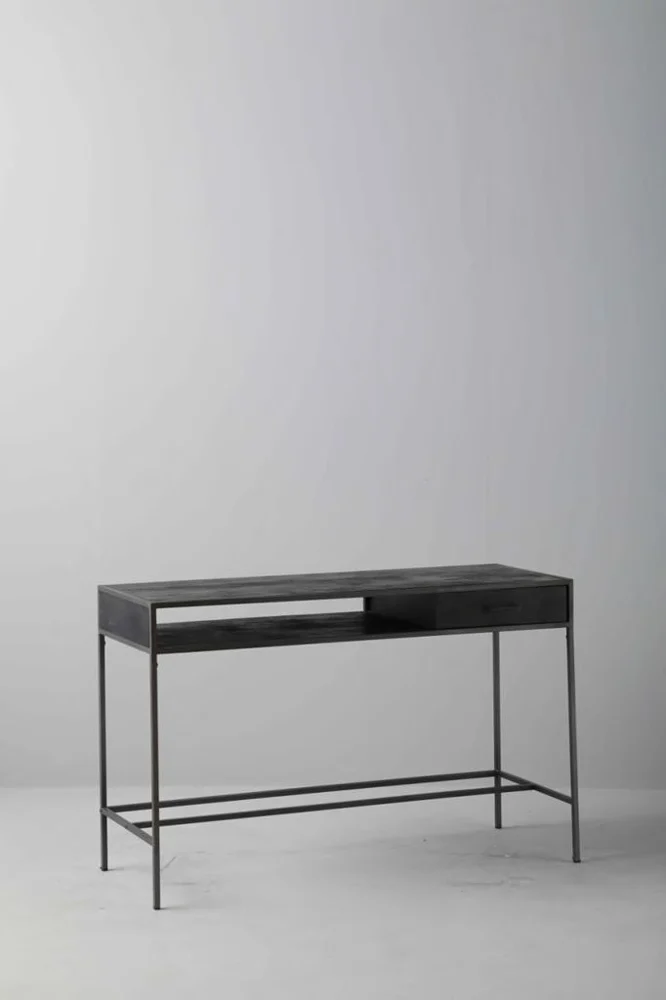
A small book stack, a tray or a ceramic vase can help show how a surface might be used. Keep useful space available and avoid covering the design detail you are comparing. A laptop may illustrate a possible activity, but it does not establish that a console is suitable as a workstation. Confirm the working height, leg space and intended function first.
Compare console tables with the wall width and walking route. For coffee and side tables, consider the sofa position, rug and access to seating. Styling objects are a visual reference rather than a statement of what is included with a furniture order.
Turn your shortlist into a sourcing enquiry
Send the selected product photograph or reference, required dimensions, quantity, finish direction, destination and preferred timeline. If material, upholstery, hardware, packing or installation details matter to the project, state them explicitly. Confirm specifications, feasibility and commercial terms before quotation or order approval. A showroom visual does not establish stock, delivery availability or a particular material.